Server Architectures Enabling Massive Simultaneous Participation in Quick-Access Digital Contests
Written by Wendy Zimmermann · Oct 10, 2026
Server Architectures Enabling Massive Simultaneous Participation in Quick-Access Digital Contests
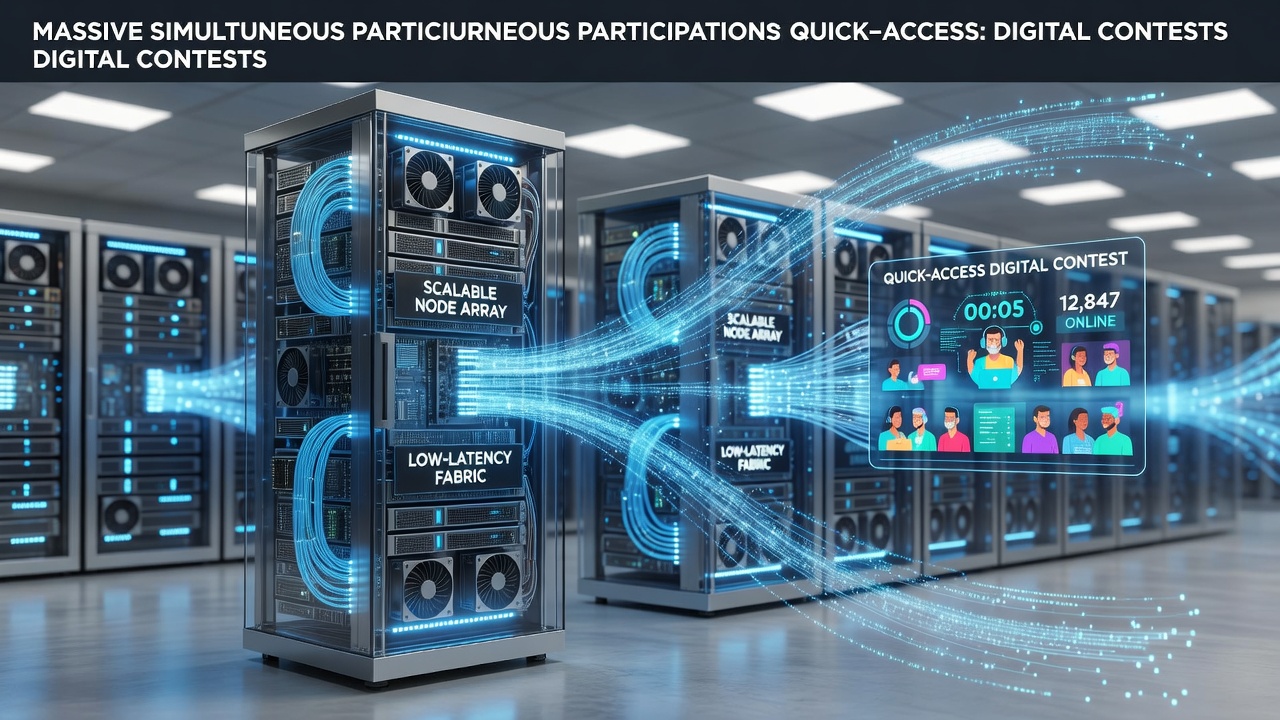
Server architectures designed for quick-access digital contests rely on distributed systems that coordinate thousands of simultaneous users through layered networking protocols and real-time data synchronization. These setups combine edge computing nodes with central orchestration layers so that participants join contests without noticeable delays even when entry numbers spike during peak hours. Data centers positioned near major population centers reduce round-trip times while containerized microservices handle individual contest instances independently from one another. Observers note that load balancers distribute incoming WebSocket connections across multiple availability zones and this prevents single points of failure when participation reaches tens of thousands in a single event window. Research from the Entertainment Software Association indicates that modern platforms increasingly adopt auto-scaling groups that spin up additional instances within seconds of detecting rising connection counts.Key Technologies Behind High-Concurrency Handling
Message brokers such as Apache Kafka or RabbitMQ manage event queues that capture player actions and broadcast updates to all connected clients in near real time. These brokers work alongside in-memory databases like Redis that store session states and leaderboards so queries complete without touching slower disk storage. Engineers configure sharding strategies that split contest data across multiple database clusters based on geographic regions or contest type and this approach keeps response times consistent even as total participants grow.
Container orchestration platforms including Kubernetes coordinate these components across hybrid cloud environments. They monitor CPU and memory utilization then trigger horizontal scaling when thresholds are crossed. As of October 2026 several major contest platforms reported successful handling of over 150,000 concurrent sessions during seasonal tournaments thanks to these automated systems.
Network Optimization and Latency Reduction
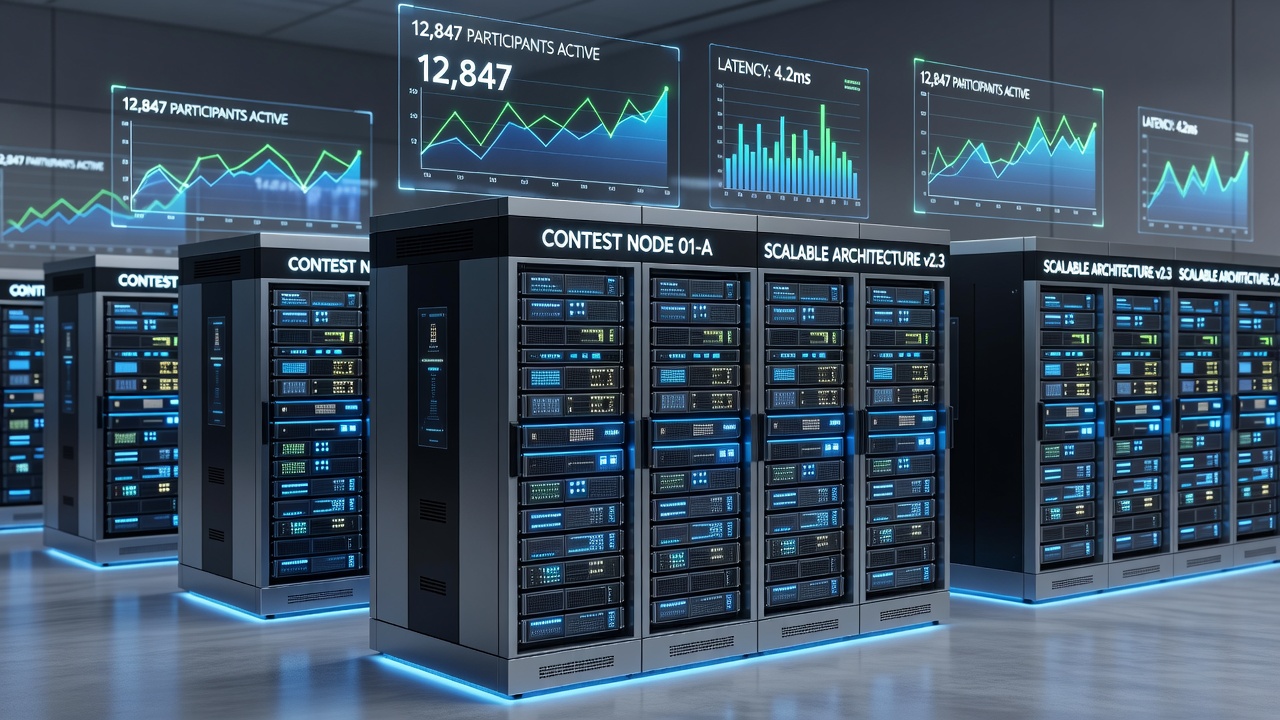
Content delivery networks cache static assets such as game rules and interface elements while dedicated game servers manage dynamic state changes. UDP-based protocols supplement TCP connections for time-sensitive updates like position tracking in racing or action contests and this combination lowers packet loss during high-traffic periods. Observers note that many providers now deploy anycast routing so user requests resolve to the nearest healthy server regardless of where the central cluster resides.
Security and Fairness Mechanisms
Authentication services verify players through token-based systems that integrate with external identity providers and this reduces login bottlenecks at contest start times. Rate limiting and anomaly detection modules flag suspicious traffic patterns before they overload the main infrastructure. Industry reports from the Interactive Games and Entertainment Association in Australia highlight that platforms incorporate cryptographic signing of game events to prevent tampering when thousands of users submit actions simultaneously.
Database replication across multiple regions ensures that if one data center experiences issues contest progress continues uninterrupted from secondary nodes. Engineers test these failover procedures regularly through simulated load events that mirror actual peak conditions observed during major tournaments.
Future Developments in Scalable Contest Infrastructure
Emerging approaches incorporate serverless functions for handling specific contest phases such as result calculations or reward distribution and these functions activate only when triggered by incoming events. Studies from academic groups at institutions like the National University of Singapore explore machine learning models that predict traffic surges hours in advance allowing preemptive resource allocation. Such predictive systems complement reactive scaling and together they maintain stability across global user bases.
Conclusion
Server architectures supporting massive simultaneous participation in quick-access digital contests integrate distributed computing, real-time messaging, and automated scaling to deliver consistent performance. These technical foundations continue to evolve as participation volumes increase and new protocols emerge. The combination of edge processing, efficient state management, and robust failover mechanisms allows platforms to accommodate growing numbers of concurrent users while preserving the low-latency experience required for competitive events.