Latency Legends: Network Solutions Enhancing Fluidity in Genre-Blending Instant Web Play
Written by Wendy Zimmermann · Aug 23, 2026

Latency Legends: Network Solutions Enhancing Fluidity in Genre-Blending Instant Web Play
Browser-based multiplayer titles that blend racing with puzzles or sports with strategy depend on network technologies that keep interactions responsive. These solutions address packet delays and jitter that disrupt seamless cross-genre sessions where players switch between fast reflexes and tactical decisions within the same match.
Core Network Technologies in Instant Web Environments
Developers rely on protocols such as WebRTC for direct peer connections and optimized WebSocket implementations that reduce handshake overhead compared with traditional HTTP polling. Content delivery networks distribute game assets to edge servers closer to users while predictive prefetching anticipates genre-shift moments like a racing segment turning into a puzzle sequence. Data centers equipped with time-sensitive networking standards maintain consistent frame delivery even when multiple players engage in hybrid mechanics simultaneously.
Studies from research institutions show that these configurations cut average latency by measurable margins in high-density sessions. Observers note that edge computing nodes positioned in metropolitan hubs handle the variable load from action bursts followed by strategy phases without requiring client-side downloads.
Adaptations for Genre-Blending Mechanics
Hybrid games demand synchronized state updates across different interaction models. Racing elements require sub-50-millisecond feedback loops whereas puzzle components tolerate slightly higher thresholds before player perception shifts. Network layers apply dynamic quality-of-service prioritization that elevates critical packets during speed-critical windows and relaxes them during planning intervals. This approach prevents desynchronization when players blend genres within single rounds.
Figures from industry reports indicate that implementations using adaptive bitrate streaming for state data sustain higher concurrent user counts in browser arenas. Those who have analyzed session logs find that combining UDP-based channels with fallback TCP streams supports fluid transitions between genres without forcing full reloads.
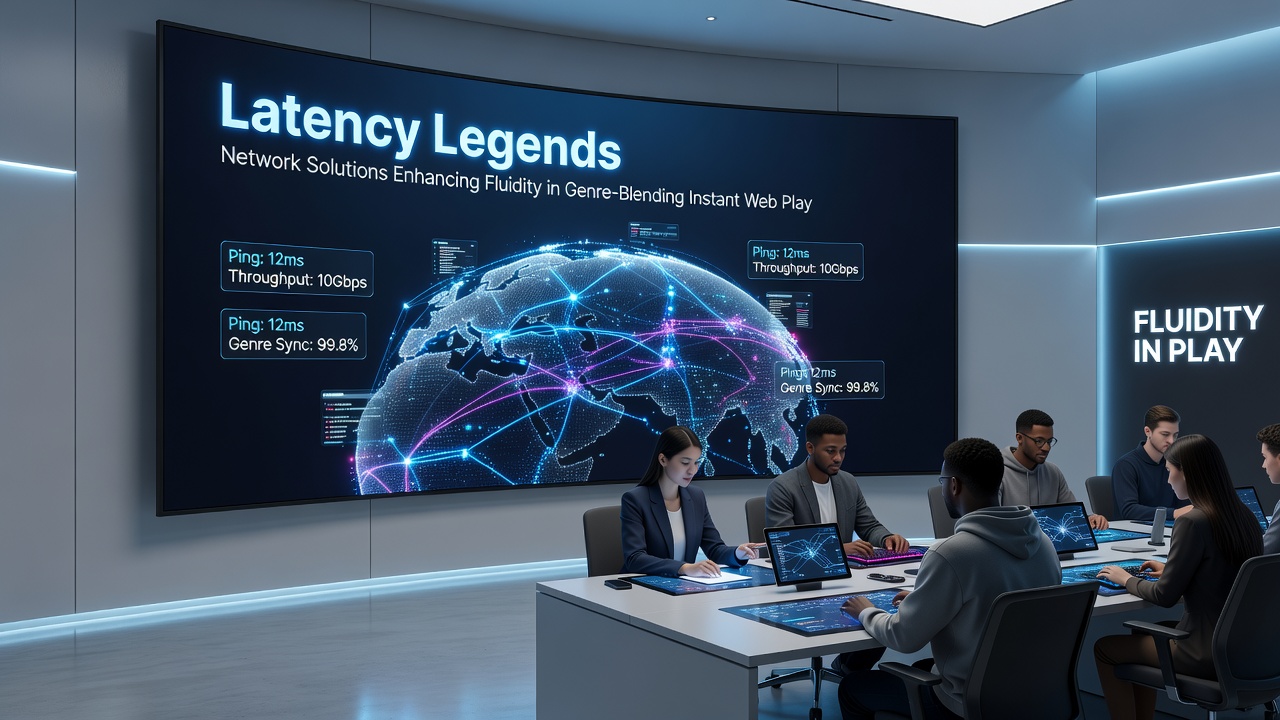
Regional Infrastructure Developments Through August 2026
As of August 2026 network operators have expanded 5G standalone cores that integrate with browser APIs to support lower jitter in mobile web sessions. Government agencies in North America and the European Union have published updated broadband performance metrics showing improved median latencies for real-time applications. These upgrades directly benefit platforms hosting instant-play titles that mix adventure elements with competitive sports or strategy layers.
Academic papers from universities in Australia and Canada document how software-defined networking allows operators to reroute traffic around congestion points during peak evening hours when hybrid multiplayer volumes peak. The result appears in reduced variance across player-reported responsiveness scores collected from diverse geographic regions.
Integration with Existing Browser Standards
Web standards bodies continue to refine APIs that expose network timing information to game engines running in browsers. Developers use these signals to implement client-side buffering that compensates for occasional spikes without interrupting genre transitions. One documented case involves a multiplayer title where strategy decisions feed into racing outcomes; the network stack adjusts prediction windows based on measured round-trip times gathered during live play.
Trade associations representing digital entertainment sectors report that adoption of QUIC protocol variants has accelerated in web gaming deployments. These changes replace older transport methods and deliver multiplexed streams that handle simultaneous updates for visual effects, physics calculations, and player inputs across blended genres.
Measurement and Optimization Practices
Teams monitor metrics such as time-to-first-input and state-consistency rates using telemetry embedded in browser sessions. Optimization routines automatically adjust encoding parameters when data indicates rising packet loss during intense cross-genre sequences. Researchers have tracked improvements in session retention after deploying machine-learning models that forecast latency spikes from historical patterns in similar hybrid environments.
Industry analyses reveal that platforms incorporating these practices achieve steadier performance across varied connection qualities, from fiber to mobile networks. Observers document fewer instances of desync events when edge processing handles genre-specific logic closer to the user.
Conclusion
Network solutions centered on edge distribution, protocol modernization, and adaptive prioritization continue to support the expansion of genre-blending instant web play. Data collected through August 2026 demonstrates measurable gains in responsiveness that align with the technical demands of titles combining rapid action with layered decision-making. Continued refinement of these systems sustains the technical foundation required for broader adoption across browser platforms.