Economic Models Behind Player Investment in Mixed-Genre Browser Arenas
Written by Katja Friedrich · Oct 24, 2026
Economic Models Behind Player Investment in Mixed-Genre Browser Arenas
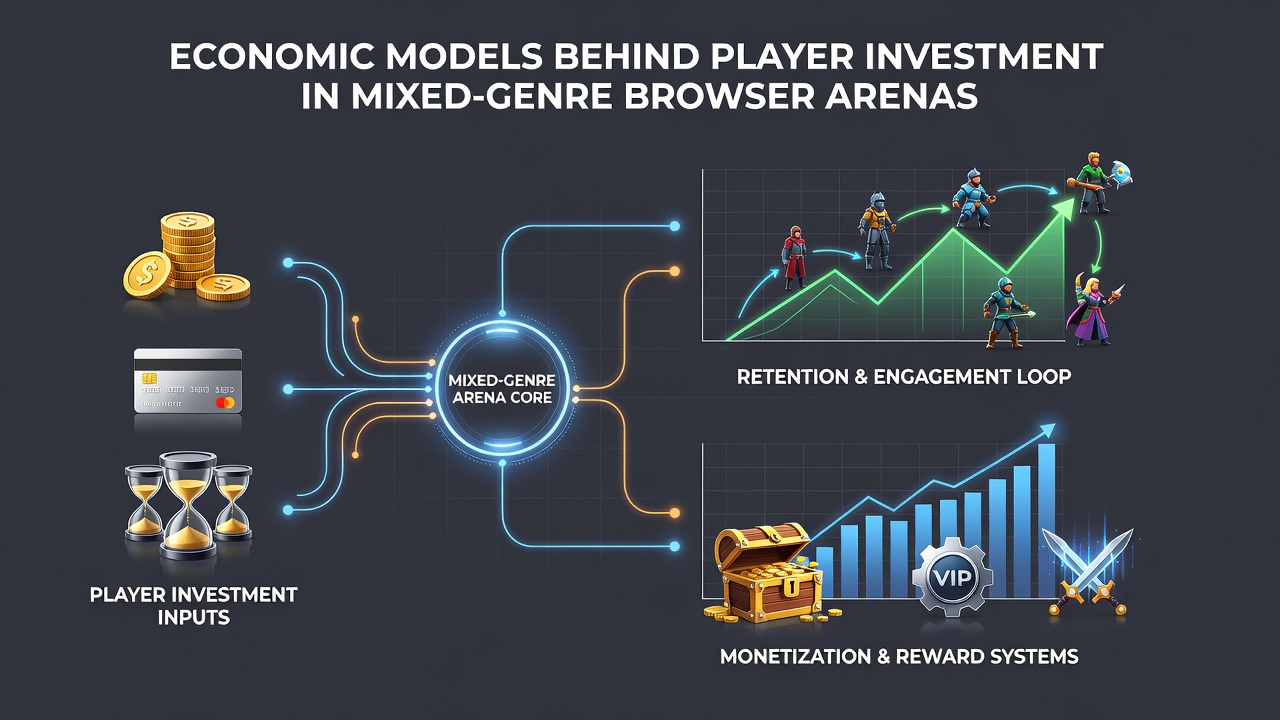
Mixed-genre browser arenas combine elements from puzzle, racing, strategy, and action titles into single sessions that run without downloads, and economic models in these spaces focus on converting free play into sustained financial returns through layered monetization. Developers structure these models around virtual goods, progression accelerators, and social features that encourage repeated visits while maintaining accessibility for new users.
Freemium Foundations and Microtransaction Layers
Many platforms operate on freemium principles where core gameplay stays free yet optional purchases unlock speed boosts, cosmetic items, or expanded arenas that blend multiple genres in one session. Research indicates these systems generate revenue when players encounter natural bottlenecks such as resource shortages during hybrid puzzle-racing challenges or strategy deficits in multiplayer events. Data from industry reports shows conversion rates often hover between two and five percent, yet high-volume traffic in browser environments compensates through sheer numbers of active accounts.
Observers note that successful implementations tie purchases directly to cross-genre advantages, for instance selling temporary boosts that help a player solve a puzzle segment faster while racing against others. Such mechanics create seamless investment points without breaking immersion across different play styles.
Virtual Currencies and Persistent Economies
Persistent economies rely on dual-currency setups that separate premium tokens from earned resources, guiding players toward real-money exchanges when time becomes limited. In October 2026, tracking data from several browser networks revealed spikes in currency trading activity during seasonal crossovers where adventure elements merged with sports mechanics. These economies function through supply controls that prevent inflation while rewarding consistent participation across genres.
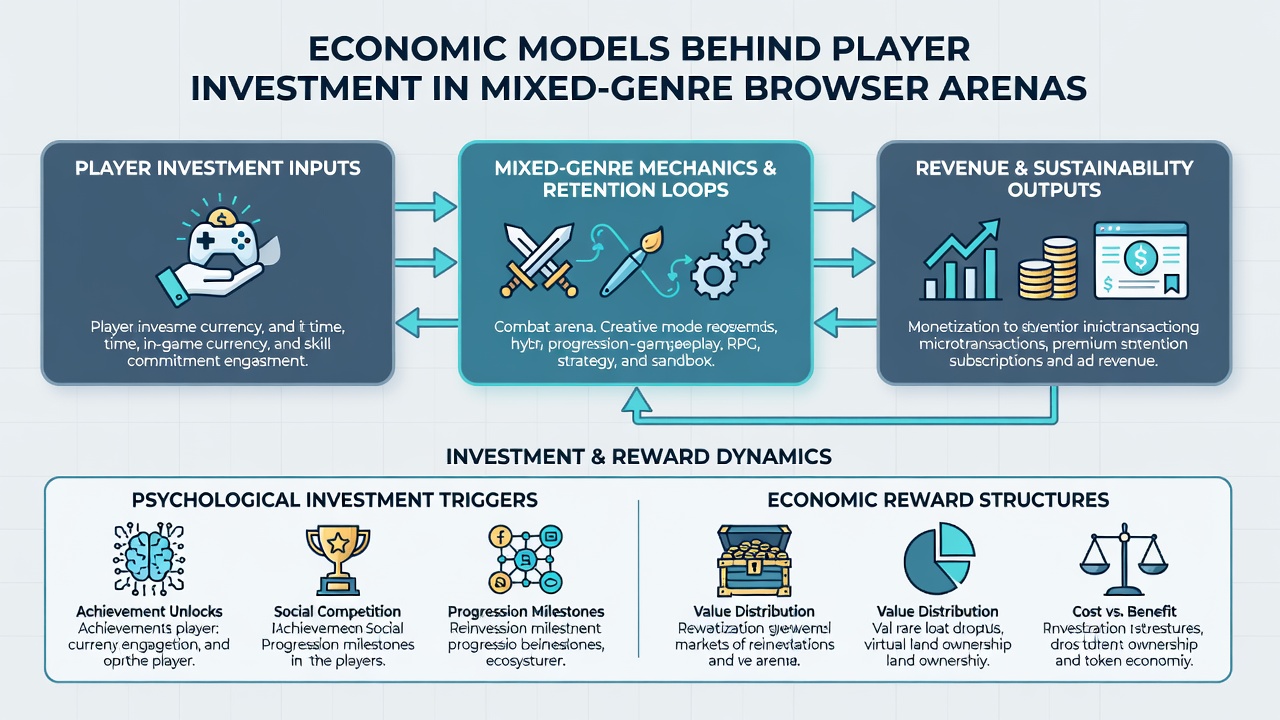
Players accumulate soft currency through daily challenges yet face caps that push them toward premium options when pursuing advanced strategy layers or rare racing upgrades. According to figures released by the Entertainment Software Association, browser-based titles using these models reported average revenue per paying user increases of 18 percent year-over-year in markets with strong mobile-browser overlap.
Progression Systems and Retention Economics
Progression systems reward incremental investment by unlocking new genre combinations only after certain thresholds, turning short sessions into longer commitments that justify further spending. Studies from academic researchers at institutions like the University of Tampere highlight how battle-pass structures adapted for browser arenas maintain engagement across puzzle-strategy hybrids by offering tiered rewards that feel achievable yet aspirational.
Referral programs and daily login streaks further amplify retention, creating network effects where one player's continued activity influences friends to join and invest similarly. Industry organizations such as the Interactive Software Federation of Europe have documented that titles employing these loops see session lengths extend by an average of 12 minutes when social investment features activate.
Cross-Genre Integration and Revenue Synergies
Integration across genres creates additional monetization opportunities because players invest in items usable in multiple modes, increasing perceived value and willingness to spend. Economic analyses reveal that hybrid arenas generate higher lifetime value when a single purchase applies to racing upgrades that also aid puzzle-solving efficiency or strategy planning in shared lobbies.
Advertising models complement direct purchases in lower-engagement segments, with rewarded videos often tied to genre-specific bonuses that encourage sampling paid content. This approach balances revenue streams while avoiding paywalls that could deter casual browser users exploring new combinations.
Conclusion
Economic models in mixed-genre browser arenas succeed when they align spending incentives with seamless genre transitions and persistent value across sessions. Data continues to show that balanced virtual economies, coupled with targeted progression hooks, sustain player investment without compromising accessibility. As platforms evolve, these frameworks provide measurable frameworks for revenue generation while supporting diverse play patterns in instant-access environments.